2024 NM Ski Swap
Schedule
We’re still finalizing the schedule for the next NM Ski Swap, please check back mid-summer, thanks!
Sign Up to Get Free Admission & Win Prizes
JOIN OUR MAILING LIST FOR A CHANCE TO WIN!
By signing up for our email list you’ll be entered for a chance to win hundreds of dollars in prizes or passes to our Friday night VIP Sale!* This also qualifies you for free entry coupons to the Saturday and Sunday sale.
Sign Up NowBuy or Sell at NM Ski Swap
Thousands of new and used items from vendors, and on consignment from the public.
3 day event
The largest fund raising event for the Patrol
We give you cash at the real, original, and largest ski swap since 1967!
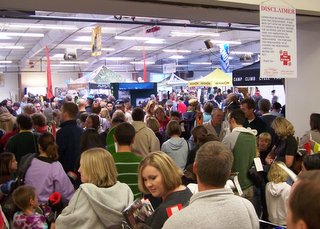
Our Largest Fundraiser
The largest fund raising event for the Patrol. Our Swap has evolved into the biggest winter sports show in New Mexico.
We provide a venue for individuals and vendors from New Mexico and adjoining states to buy and sell all manner of new and used winter sports gear. We have several departments including Alpine and Nordic skis and boots, snowboards and boots, clothing, children’s gear and tons of accessoiries.
Our family friendly atmosphere also provides opportunities for guests to link up with manufactures’ representatives, retailers, ski areas, and fellow winter enthusiasts. Your $2 admission gives you access to all the goods. For immediate update notifications, become a Fan on Facebook. The NM Ski Swap is a fund raising event. The commissions made from the sale of gear at the Swap go to fund the annual expenses of training and securing the equipment and medical supplies the Sandia Peak Ski Patrol uses to provide the best possible care to the skiing and boarding public.
The Sandia Peak Ski Patrol is a non profit organization that offers ski and board safety education, and emergency medical care and extrication for guests at Sandia Peak ski area as well as winter safety education. As members of the National Ski Patrol, our Patrollers participate in vigorous annual training disciplines that included: first aid, evacuation techniques, toboggan handling, avalanche safety, avalanche search and rescue, winter mountain travel… to name just a few. Go to the National Ski Patrol Systems site to get more details about the life of a Patroller.
Why NM Ski Swap?
The best value, best prices, and selection on winter sports equipment anywhere….why?
- Our sale is staffed by over 150 volunteers – this cuts down drastically on overhead costs.
- We only invite vendors that share our belief that hard working NM families deserve the best prices.
- We invite many different vendors with a wide variety of equipment to make sure you get what you need – We don’t just offer one company’s leftovers.
- We are a true Swap, it is how we started – In addition to our thousands of new items you can always find great quality used equipment on consignment…and don’t forget to check in YOUR equipment on Friday.
- We only charge 17% commission to our vendors, which is the lowest swap commissions in the entire country which helps them offer you the lowest prices you’ll find.
- Over 17,000 items to choose from – you just won’t find this sea of equipment anywhere else!
- Free admission for those on our email list to the Saturday and Sunday sales.
- You’re not just supporting our many local vendors, you’re supporting our all volunteer, non-profit Ski Patrol.
More Info
Getting to Expo NM
Enter off San Pedro south of Lomas – Gate 6 *NEW*
Entrance and Parking
NEW for 2023, enter at gate 6 off San Pedro south of Lomas. There will be concert and other event traffic using the old gate (3).
Expo NM has raised the parking fee to $10 on Sat/Sun. We know, but we have no control over that. But parking is free on Friday, so there’s that.
View the Expo NM grounds map at the link below, where to park and where to enter the sale.
Areas in green allow parking, but be mindful of red curbs on fire lane sides of the roads. Expo staff may limit access to areas. On Friday, let them know if you are dropping off gear to sell, they may let you drive up to the building.
Building Layout
Sale floor layout will be the same as last year. Please use the same enrances, exits, and gear drop off locations in the map to the left.
Subject to change, and will be updated as layout is finalized.
WHERE DOES ALL THE MONEY GO?
The Patrol is funded almost exclusively
by the proceeds of our annual NM Ski Swap. All of our services on the hill are free of charge. We exist because of the purchases YOU make at SWAP.
The NM Ski Swap is expensive to put on. The gross income from Swap is in the hundreds of thousands of dollars, however, most of that goes out to the vendors selling their goods and about $64,000 to put on the event (in 2012). What is left is hopefully enough to run the Patrol for the season.
Each toboggan costs $1,200 which equates to about $7,000 worth of sales at SWAP. We have 10 toboggans stationed around the area. We need $6,000 in SWAP sales to maintain them, and as they “age”, newer toboggan need to be purchased.
Have you ever given much thought to how you would get out of the chair if the lift broke down?
Fortunately, we have and we practice this skill regularly. We have 20 evacuation packs which we deploy along the lift line with a system of ropes and a really swell little chair that we hang on the cable to belay you to the ground.
Each of these packs cost about $650. Each pack represents about $3,800 in sales. Do you have any idea how much colder everyone would get if we had to take just one pack out of service. Again, as the rope and gear in these packs “ages”, they need to be replaced.
Fortunately we only meet most of you socially. Those of you whom we’ve met professionally may have noticed there is no charge for any of the services rendered by the Patrol. The medical supplies that we use during the year cost about $5,000 or just under $30,000 in SWAP sales.
When I first started skiing at Sandia Peak, it was called La Madera. If you were injured, someone had to ski to the bottom and get a patroller.
The patroller would ride up the lift with a toboggan and ski it down to you. Once at the bottom, the only way to a hospital was to get someone to drive you to the city. If this seems like hours and hours from the time of the injury until you could see a doctor, it was.
Later, telephones were installed at several places on the mountain. (There are still a couple of red phone boxes up there.) With the advent of phones, we could station a patroller at the top of the mountain with a toboggan. This cut our response time quite a bit.
Today, due entirely to the largess of our SWAP customers, every patroller carries a radio capable of communicating clearly from any place on the mountain. With these radios, patrollers no longer have to wait to be notified of an incident, they are continuously cruising the mountain looking for problems.
They can launch a helicopter or order a Paramedic unit right from the incident site, keep the paramedics updated on patient status and if necessary receive verbal assistance from a physician.
The only reason this system exists is because local snow sports enthusiasts came to SWAP and bought their equipment.
That current radio system cost $14,627 or $86,000 in SWAP sales. It costs almost $6,000 in sales each year to maintain the system (buy batteries, and replace broken/lost radios).